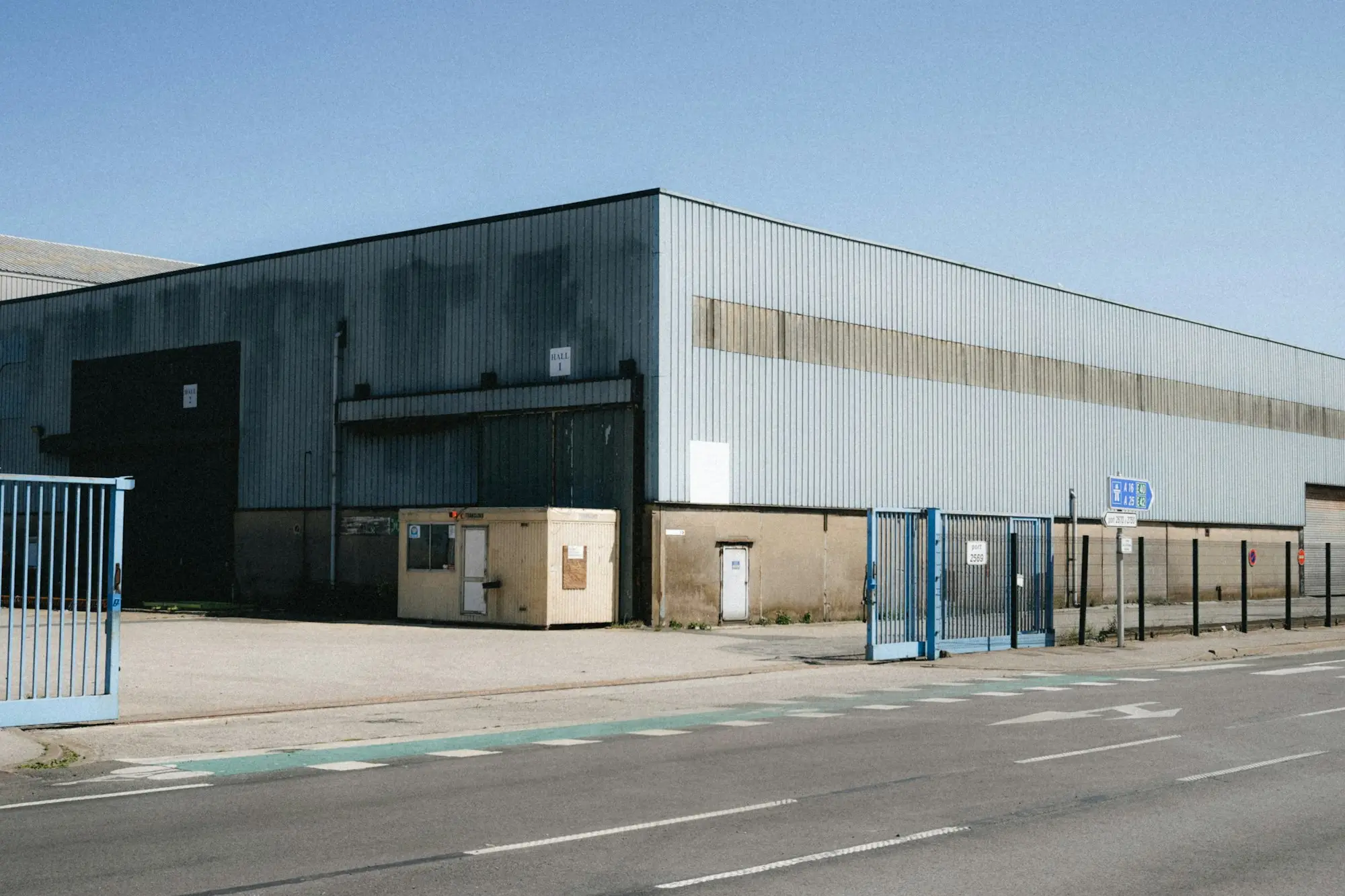
Quick answer
Commercial and industrial property, such as offices, retail shops, warehouses, factories and mixed-use buildings, can secure private business loans by caveat, second mortgage or first mortgage. Lenders usually set lower loan-to-value limits than for homes, and value the building on its use, location, tenancy and how easily it could be sold. General-purpose buildings in established areas are the easiest to fund.
Key points
- Lower LVR limits than residential, varying by building type
- Tenancy and lease terms strongly influence value
- General-purpose buildings are easier to fund than specialised ones
- Can be combined with residential security to reach the amount
- Property types
- Office, retail, warehouse, factory, mixed use
- Loan size
- $20,000 to $5,000,000
- Valuation
- Usually a full commercial valuation
- Structures
- Caveat, second or first mortgage
Many business owners hold their premises, or an investment building, in their own name, a company or a super-adjacent trust structure. Commercial and industrial property is valuable security, but lenders look at it through a different lens from a house.
How commercial property is valued
A commercial valuer considers what the building would sell for, and that depends heavily on what it earns or could earn.
| Factor | What the valuer considers |
|---|---|
| Use and zoning | How many types of business could use the building |
| Tenancy | Lease term remaining, rent, outgoings and tenant strength |
| Location | Exposure, access, parking and, for industrial, truck access |
| Building | Age, condition, clearances, power and compliance |
| Market | Recent comparable sales and leasing evidence |
Easy and hard to fund
Easier: general-purpose warehouses in established estates, suburban strip shops, small office buildings and strata units in well-run complexes.
Harder: specialised buildings with few potential buyers, properties with environmental or compliance issues, large regional holdings and buildings that are vacant with no clear demand.
Harder doesn’t mean impossible. It usually means a lower LVR and a stronger exit.
LVR expectations
Commercial LVR limits are generally lower than residential. Private lenders weigh the specific building, its location and their position on title. Where commercial property alone doesn’t support the amount needed, lenders often add residential security or take security over more than one property.
Documents that speed things up
- current leases, with any variations and options
- a schedule of outgoings and rent
- recent council rates and land tax notices
- strata records, if it’s a strata unit
- any building reports, compliance certificates or environmental reports
Having these ready can take days off the valuation.
Common uses
- Settling a purchase when the bank is slow (settlement deadlines)
- Refinancing an expired or called-in commercial loan (private first mortgages)
- Releasing equity for working capital, tax debt or expansion
- Completing improvements before a sale or bank refinance
Ownership structures
Commercial property is often owned by a company or trust rather than an individual. That’s normal for private lenders. The owning entity grants the security, and directors or individual trustees usually guarantee the loan. See company or trust property for details.
A worked example: the freehold workshop
A Toowoomba engineering firm owns its workshop outright through a company. The building is a steel portal frame shed on a light industrial lot, leased back to the operating business. A major customer has paid late two months running, and the firm needs $420,000 to cover wages, steel and an ATO instalment while the debt is chased.
A bank wanted twelve months of updated financials and a fresh valuation queue of three weeks. A private lender looked at the same building and asked four things: what’s it worth today, who occupies it, what’s the money for and how will it be repaid?
The answers were straightforward. A desktop valuation came in at around $1.1 million, so the loan sat comfortably under the lender’s limit for that asset class. The occupant was the owner’s own business, which the lender treated as owner-occupied rather than tenanted. The purpose was clearly commercial. The exit was the overdue receivable plus a refinance to a bank once the next year’s accounts were lodged.
The loan settled as a first mortgage over the workshop, with a nine-month term and interest prepaid from the advance so there were no monthly repayments to juggle. When the customer paid, the firm cleared part of the balance early and refinanced the rest.
Specialised buildings take longer
Some commercial assets are harder for any lender to resell, which narrows the pool and can lower the amount offered. Expect closer questions on:
- purpose-built properties such as service stations, abattoirs, cold stores or car washes
- buildings with environmental history, including fuel tanks or chemical storage
- strata industrial units in small schemes with few comparable sales
- properties with a single tenant on a short remaining lease
- sites in towns where commercial sales are infrequent
None of these rule a deal out. They simply mean the valuer and the lender’s solicitor will need more time, so raise anything unusual in your first enquiry.
Tell us about the building
Share the property type, location, any lease details, what’s owed and what you need. We’ll match it to a lender that likes that kind of building. There’s no credit check when you first enquire, and your details aren’t distributed to a long list of funders.
Accurate details on tenancy and outgoings help us get the valuation right first time. See if you qualify, or read about private commercial property loans and then send it through.
Frequently asked questions
What's the hardest commercial property to borrow against?
Specialised buildings with a narrow pool of buyers, such as service stations, childcare centres, motels or purpose-built facilities. They can still be funded, but usually with lower LVRs and a closer look at the exit.
Does an owner-occupied building value lower than a leased one?
Not necessarily, but a strong lease to an unrelated tenant gives the valuer clear income to work with. An owner-occupied building may be valued on vacant possession, which can be fine for general-purpose stock.
Can I borrow against a strata office or factory unit?
Yes. Strata commercial units in good complexes are commonly accepted. The lender will check the strata records, levies and any special levies coming up.
How long does a commercial valuation take?
Longer than a house, often a few business days, because the valuer considers leases, zoning and comparable commercial sales. Having leases and outgoings ready speeds it up.